
Revelation 21:22
“And I saw no temple therein: for the Lord God Almighty and the Lamb are the temple of it.”
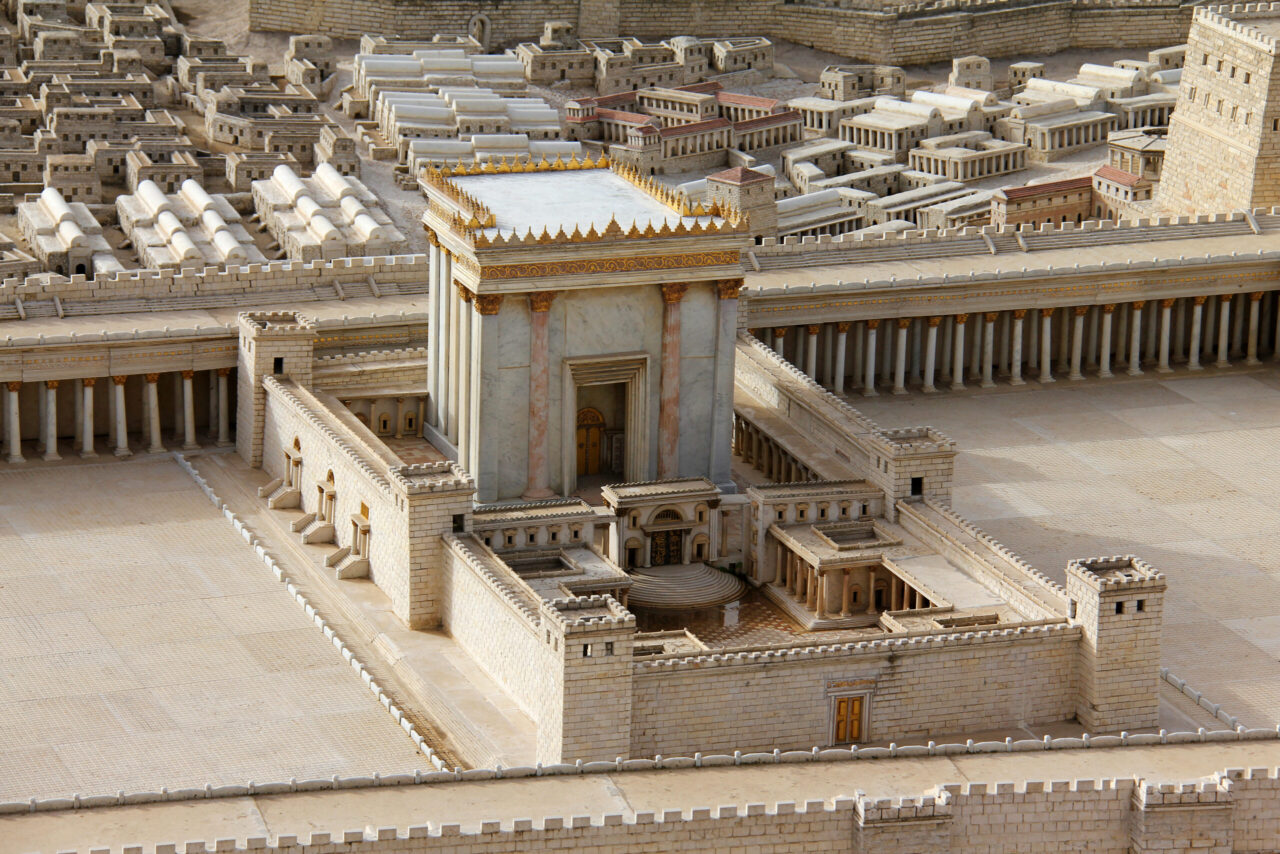
A central belief within Futurism is that Jesus has not yet returned and that the events described in Revelation are unfolding as we speak. Connected to this belief is the expectation that a Third Temple will be built in Jerusalem.
At the time of writing, efforts toward rebuilding such a temple appear to be underway. However, this may not represent the fulfillment of biblical prophecy, but rather a counterfeit deception—an attempt by Satan to imitate the events described in Revelation during what some call satan’s Little Season.
To understand this issue, it is helpful to examine four of the most commonly cited scriptures used to support the idea of a future Third Temple.
1. 2 Thessalonians 2:3–4
This passage describes the “man of lawlessness” sitting in the temple of God, proclaiming himself to be God.
Many interpret this as referring to a future antichrist who will sit in a rebuilt temple in Jerusalem. However, some historians and theologians argue that this event may have already occurred in the first century, when Caesar Nero asserted divine authority and was associated with the events surrounding the destruction of Jerusalem in 70 AD.
2. Daniel 9:27
This prophecy describes the cessation of sacrifices and the appearance of the “abomination of desolation.” Because sacrifices are mentioned, many assume a future temple must exist during the end times.
However, the Second Temple was still functioning during the first century. Historical Jewish sources record unusual signs that were interpreted as indications that God was no longer accepting the temple sacrifices. These include accounts such as:
- The crimson cloth used in the yearly scapegoat offering no longer turning white
- The temple lamp going out repeatedly
- The temple doors opening on their own at night
These signs were documented in Jewish literature and interpreted as warnings of coming judgment.
3. Ezekiel 40–48
These chapters contain a detailed description of a temple, including precise measurements, priestly duties, and sacrificial systems.
Some interpret this as a blueprint for a future Third Temple. However, others argue that this prophecy referred to the Second Temple period rather than a distant future structure. The vision itself was recorded around 573 BCE, long before the rebuilding of Jerusalem following the Babylonian exile.
4. Revelation 11:1–2
In this passage, John is instructed to measure the temple of God.
Futurist interpretations often assume this refers to a future physical temple in Jerusalem. However, the language of Revelation frequently uses symbolism. In this context, the temple may represent the people of God, with the imagery describing the period of 3½ years of tribulation rather than a literal building.
The Temple in the New Testament
The New Testament repeatedly shifts the concept of the temple away from a physical structure.
Jesus referred to His own body as the temple:
“Destroy this temple, and in three days I will raise it up.”
(John 2:19–21)
Likewise, believers are described as the temple of God:
“Do you not know that you are God’s temple and that God’s Spirit dwells in you?”
(1 Corinthians 3:16)
In this understanding, the true temple is not a building in Jerusalem, but the Body of Christ.